The Reformation and historicism grew up together. As the movements of the sixteenth century reshaped Western Christianity, Protestant interpreters increasingly read the prophecies of Daniel and Revelation as a map of the very history they were living through. This page gives a historical account of that development. It reports what interpreters believed; it does not argue that they were right, and it flags where their conclusions are contested.
Reading their own age into prophecy
Reformation-era readers were struck by what they saw as correspondences between prophecy and history: a long era of a dominant church power, a faithful remnant preserved through it, and a time of renewed light. It felt natural to locate their moment within the prophetic sequence. Historicism gave them the interpretive tools — above all the year-day principle — to do so.
The “man of sin” identification
The most consequential and controversial feature of Reformation prophecy interpretation was the identification of the papal office with the prophesied opposing power — the “man of sin” of 2 Thessalonians, the little horn of Daniel 7, and the beast and “Babylon” of Revelation. This identification was widespread among the Reformers and their heirs and was written into influential confessional texts. The original 1646 Westminster Confession of Faith, for example, contained such a statement, as did the 1689 London Baptist Confession that borrowed from it.
An essential qualification: this identification is a historical position, not a claim of this resource. It is firmly rejected by the Roman Catholic Church, and the great majority of modern interpreters — Protestant, Catholic, and secular — do not hold it. Several Protestant bodies later revised or removed the relevant confessional language; the American revision of the Westminster Confession, for instance, dropped the specific wording. The identification is presented here strictly to explain what Reformation-era historicists taught and why it mattered to them.

The printing press and the spread of a reading
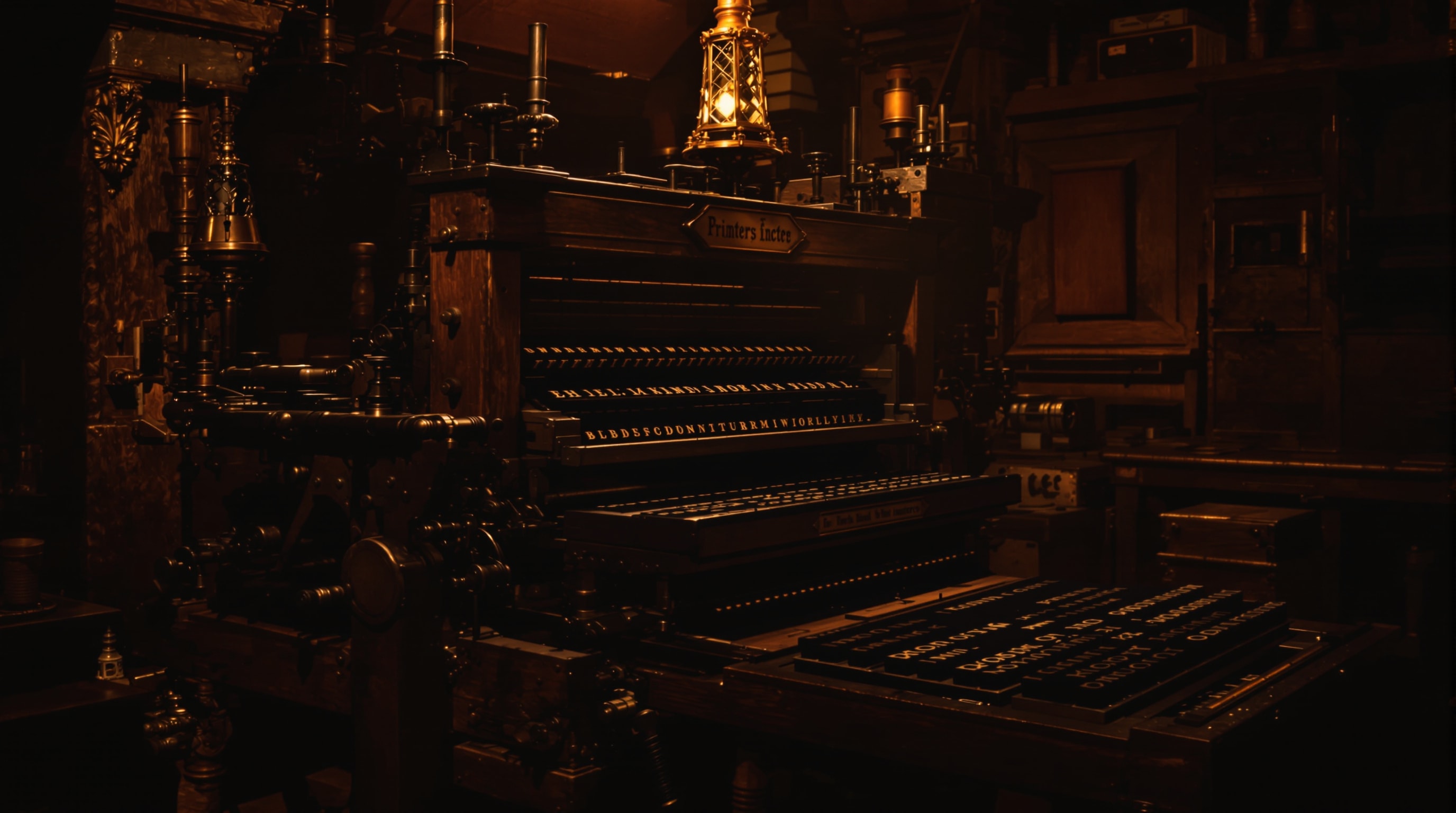
The new technology of print carried prophetic interpretation to an unprecedented audience. Commentaries, broadsheets, and annotated Bibles spread historicist readings across Europe and, later, the English-speaking world. Prophecy became not merely a scholar's pursuit but part of popular Protestant identity.
Written into the confessions
What began as interpretation hardened, in places, into confessional commitment. Several Reformation and post-Reformation statements of faith incorporated the prophetic identification into their text, giving it official standing in the churches that adopted them. Because these documents governed the teaching of whole denominations, the historicist reading became, for generations, not merely one scholar's opinion but part of the doctrinal furniture of large parts of the Protestant world. That is a major reason the method enjoyed such reach and longevity — and also why its later retreat, as churches revised or quietly set aside those clauses, marked a genuine shift in Protestant self-understanding.
The counter-arguments of the era
The Reformation reading did not go unanswered. As noted on the futurism and preterism pages, Counter-Reformation scholars advanced alternative readings that located prophecy's fulfillment either wholly in the future or wholly in the past — readings that later, and independently, were taken up and developed by Protestant interpreters on their own merits. The sixteenth- and seventeenth-century debate thus set the terms for the fourfold division of interpretive schools still used today.
A lasting imprint
Whatever one makes of its specific claims, historicism left a deep imprint on Protestant thought about history, reform, and the meaning of the age. That legacy — and the serious criticisms the school must answer — are weighed on the Criticisms & Legacy page.