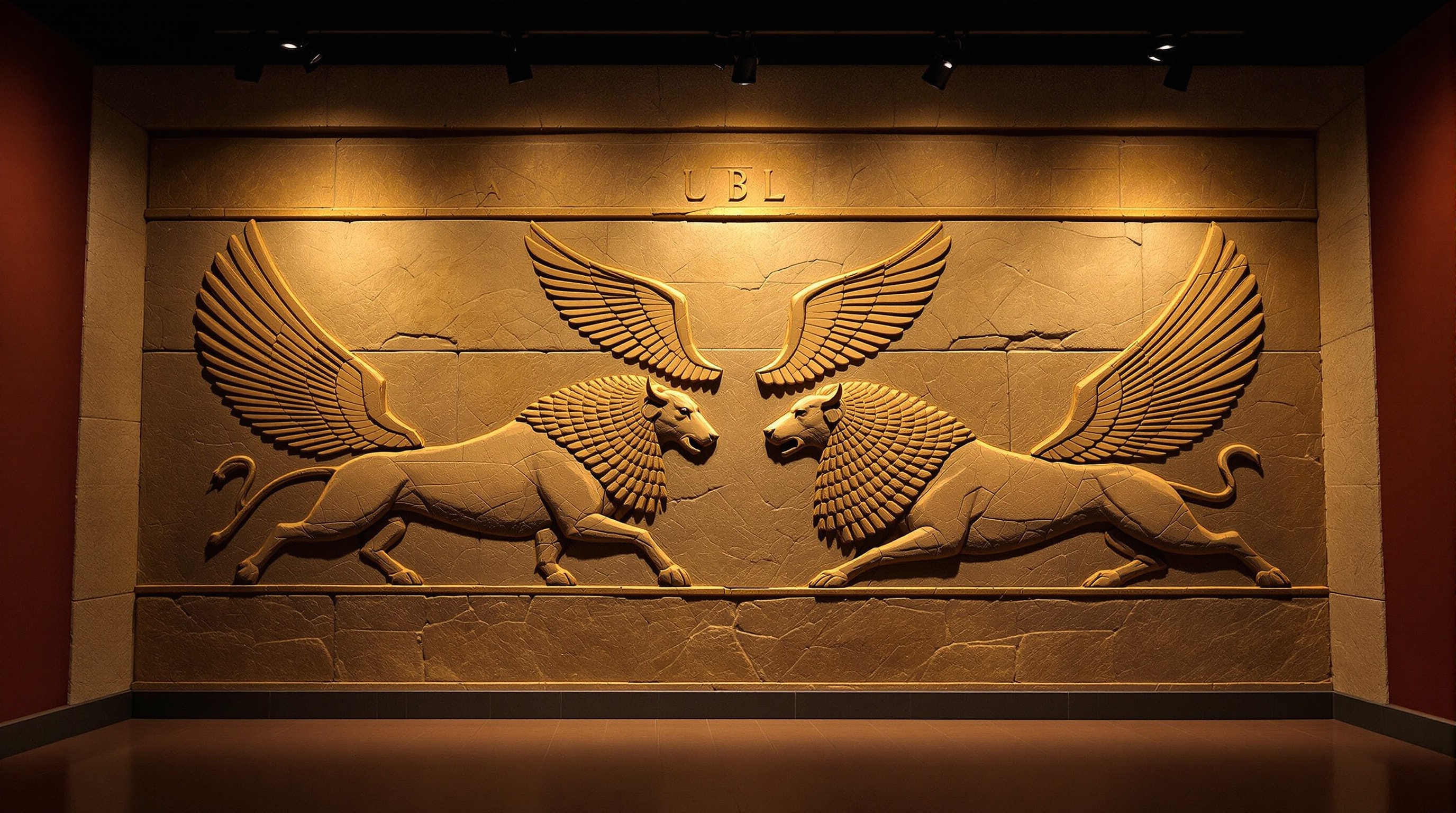
The Book of Daniel is, for historicism, the foundation stone. Its visions of successive world empires give the school its basic template: a sequence of kingdoms running from the prophet's own day to the kingdom of God. Understanding the historicist reading of Daniel is the key to understanding its reading of Revelation.
Daniel 2: the statue of four metals
King Nebuchadnezzar dreams of a great statue — head of gold, chest of silver, belly of bronze, legs of iron, feet of iron mixed with clay — struck by a stone “cut without hands” that grows into a mountain filling the earth. Historicists have traditionally identified the four metals with four successive empires: Babylon (gold), Medo-Persia (silver), Greece (bronze), and Rome (iron), with the divided feet representing Rome's later fragmentation and the stone representing the everlasting kingdom of God. This four-empire scheme is the backbone of the whole system.
| Daniel 2 (statue) | Daniel 7 (beast) | Empire |
|---|---|---|
| Head of gold | Lion with eagle's wings | Babylon |
| Chest & arms of silver | Bear raised on one side | Medo-Persia |
| Belly & thighs of bronze | Four-headed leopard | Greece |
| Legs of iron; feet of iron and clay | Fourth beast with ten horns | Rome (and its divisions) |
| Stone cut without hands | “One like a son of man” given a kingdom | The kingdom of God |
It should be said that this four-empire identification is not unique to historicism; futurists and many others share the Babylon-to-Rome sequence for Daniel 2 and 7. What is distinctive to historicism is the insistence that the fourth kingdom's story — the ten horns, the little horn, and the long period of Daniel 7:25 — continues unbroken across the medieval and modern centuries rather than leaping to a future end-time.
Daniel 7: the four beasts and the little horn
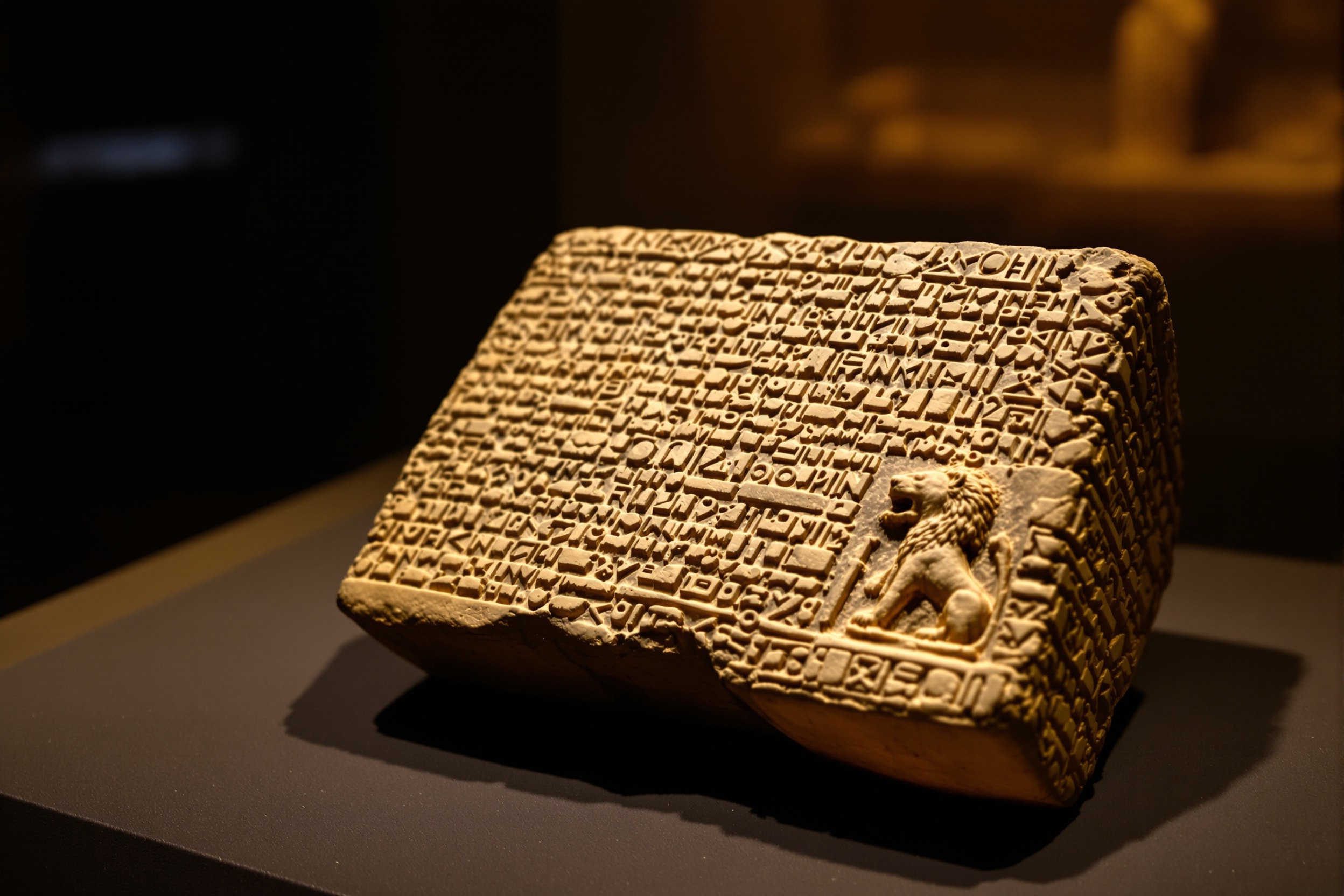
Daniel's own night-vision of four beasts — lion, bear, leopard, and a terrifying fourth beast with ten horns — is read as a parallel to the statue, covering the same four empires from a different angle. Attention centers on the little horn that rises among the ten and speaks “great things,” wearing out the saints for “a time, times, and the dividing of time” (Daniel 7:25). Applying the year-day principle, historicists read this as a power dominating for the 1,260-year period. The identification of that power has been the tradition's most contested and polemical feature, discussed in its historical setting on the Reformation and Prophecy page.
Daniel 8: the ram and the he-goat
Here the symbolism is unusually explicit: the angel names the ram as Medo-Persia and the he-goat as Greece (Daniel 8:20–21), whose “great horn” is broken and replaced by four — widely read as the division of Alexander's empire. The vision's “2,300 days” (Daniel 8:14) became, under a year-day reading, the 2,300 years that later loomed large in nineteenth-century interpretation.
Daniel 9: the seventy weeks
The prophecy of the “seventy weeks” (Daniel 9:24–27) is among the most studied passages in all of Scripture. Read as seventy weeks of years — 490 years — it is taken across several interpretive schools as running to the coming of the Messiah. Historicists treat it as a continuous, already-fulfilled period and as a proof-case for the year-day principle itself: if the “weeks” are weeks of years, they argue, the day-for-year scale is biblically warranted. Futurist readings that detach the seventieth week and project it into the end-time are examined on the Historicism vs. Futurism page.
Daniel 11–12: kings of north and south
The long final vision traces conflicts between “the king of the north” and “the king of the south” and closes with the great time-numbers of 1,290 and 1,335 days (Daniel 12:11–12). Historicists read these as a detailed march through history, though they differ considerably over the details — a diversity that critics fairly note. Many modern scholars instead read Daniel 11 against the Seleucid–Ptolemaic wars and the persecution under Antiochus IV Epiphanes.
From Daniel to Revelation
Because Revelation reuses Daniel's beasts, horns, and time-periods, the two books are read together in historicism as a single unfolding prophecy. The next step is the historicist reading of Revelation.